 By
A beautiful lawn can completely change the look of a property. It creates curb appeal, provides space for outdoor activities, and helps homeowners enjoy their yard throughout the year. In Florida, however, maintaining a healthy lawn is often easier said than done. Between intense heat, frequent rain, high humidity, insects, weeds, and water restrictions, keeping natural grass in good condition can become a full-time job.
Many homeowners start with natural grass because it feels familiar. They expect regular mowing, watering, and fertilizing to be part of lawn care. Over time, though, the costs and maintenance requirements begin to add up. Bare patches appear, weeds spread, and certain areas struggle to stay green throughout the year.
This is one reason artificial turf has become increasingly popular across Florida. Modern turf products look more realistic than ever before and offer a low-maintenance alternative to traditional lawns. Homeowners are using artificial turf in backyards, around pools, in pet areas, playgrounds, and even commercial landscapes.
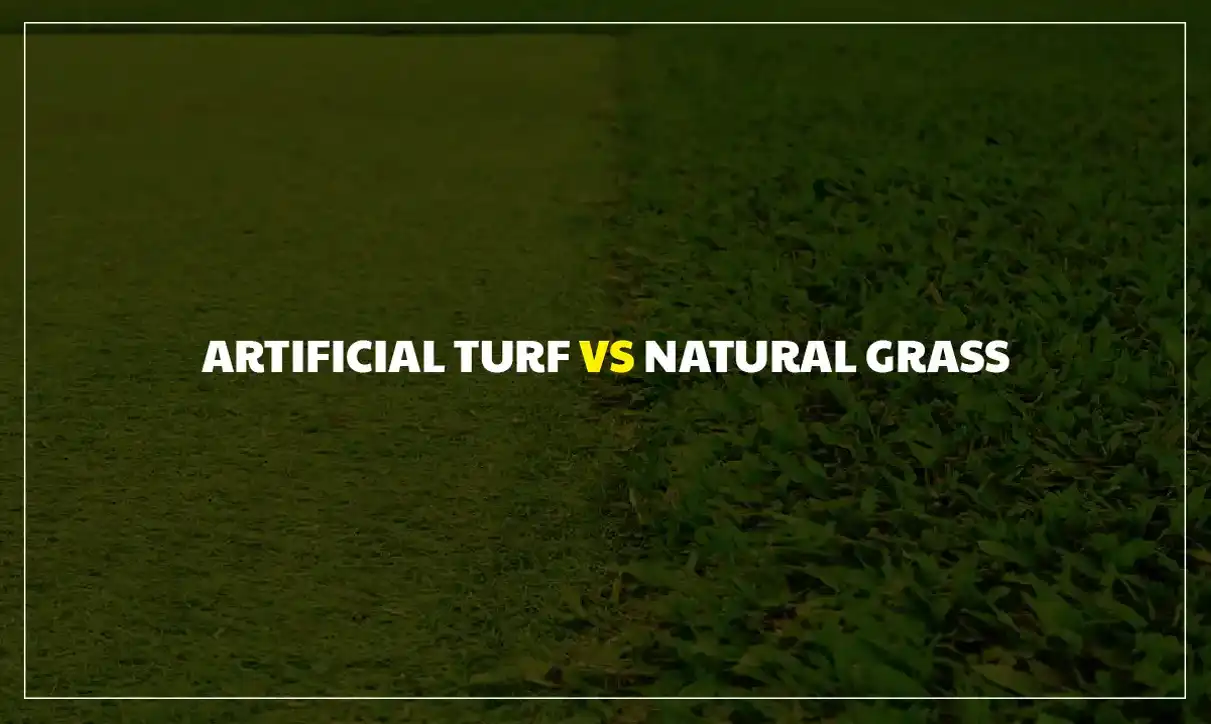
The decision between artificial turf and natural grass is not always straightforward. Both options have advantages and drawbacks depending on your property, lifestyle, budget, and long-term goals. What works perfectly for one homeowner may not be the right fit for another.
Before investing in a new lawn, it helps to understand how both options perform in Florida’s unique climate. Looking at maintenance, appearance, durability, water usage, costs, and long-term value can help you make a more informed decision and choose a solution that fits your needs.
Why Florida Lawns Can Be Challenging
Florida’s climate creates conditions that can be difficult for many grass varieties.
Homeowners often deal with:
- High temperatures
- Heavy rainfall
- Humidity
- Lawn diseases
- Weed growth
- Insect activity
- Soil challenges
While natural grass can thrive in Florida, it often requires ongoing maintenance to stay healthy and attractive.
Artificial turf removes many of these concerns by creating a consistent surface that is not affected by weather in the same way.
What Is Artificial Turf?
Artificial turf is a synthetic grass system designed to mimic the appearance and feel of natural grass.
Modern turf products include:
- Realistic grass blades
- Drainage systems
- Protective backing materials
- Infill layers for support and durability
Today’s artificial turf looks far different from the early products many people remember. Advances in manufacturing have created more natural-looking colors, textures, and blade patterns.
The Benefits of Natural Grass
Natural grass remains a popular choice for many homeowners.
Natural Appearance
Nothing is completely identical to living grass. Many homeowners appreciate its natural growth patterns and seasonal changes.
Cooler Surface Temperatures
Natural grass generally stays cooler than artificial turf during extremely hot days.
Environmental Benefits
Healthy grass absorbs carbon dioxide and contributes to oxygen production.
Lower Initial Installation Cost
Installing natural sod is often less expensive upfront compared to artificial turf installation.
The Challenges of Natural Grass
While natural grass offers several benefits, maintaining it in Florida can be demanding.
Constant Maintenance
Mowing, edging, fertilizing, watering, and weed control become regular responsibilities.
Water Usage
Keeping grass green often requires significant water consumption, especially during dry periods.
Pest Problems
Insects, lawn diseases, and fungus can quickly affect appearance and health.
Mud and Bare Spots
Heavy rain and foot traffic can create worn areas that require repair.
Ongoing Costs
Maintenance expenses continue year after year.
The Benefits of Artificial Turf
Artificial turf offers several advantages that appeal to homeowners looking for a low-maintenance outdoor solution.
Minimal Maintenance
One of the biggest reasons homeowners choose artificial turf is the reduction in yard work.
There is no need for:
- Weekly mowing
- Fertilizing
- Weed treatments
- Regular watering
This allows homeowners to spend more time enjoying their yard rather than maintaining it.
Consistent Appearance
Artificial turf remains green throughout the year.
Unlike natural grass, it does not develop brown patches during drought conditions or periods of stress.
Water Savings
Florida homeowners can significantly reduce outdoor water usage by switching to synthetic turf.
Over time, these savings may help offset installation costs.
Excellent Durability
Artificial turf performs well in areas that experience:
- Frequent foot traffic
- Children’s play activities
- Pet use
- Outdoor entertaining
Cleaner Outdoor Spaces
Artificial turf eliminates muddy areas after rain and helps maintain a cleaner yard environment.
Is Artificial Turf Safe for Families and Pets?
This is one of the most common questions homeowners ask.
Modern artificial turf systems are designed with safety in mind.
Many products are:
- Non-toxic
- Soft underfoot
- Pet friendly
- Suitable for playgrounds
Artificial turf is frequently installed in family-oriented spaces because it creates a clean and durable surface that holds up well to daily use.
Artificial Turf Around Pools
Pool areas present unique landscaping challenges.
Natural grass near pools often struggles due to:
- Chlorinated water
- Foot traffic
- Soil erosion
- Mud formation
Artificial turf offers a practical solution by creating a clean surface that remains attractive throughout the year.
Many Florida homeowners use artificial turf to enhance pool decks and surrounding entertainment areas.
Comparing Long-Term Costs
One of the biggest differences between natural grass and artificial turf becomes clear over time.
Natural Grass Costs
Homeowners may spend money on:
- Water bills
- Lawn equipment
- Fertilizer
- Weed control
- Pest treatments
- Sod replacement
- Professional lawn care services
These costs continue year after year.
Artificial Turf Costs
Artificial turf typically requires a larger upfront investment.
However, maintenance costs are significantly lower after installation.
For many homeowners, long-term savings become an important factor when evaluating overall value.
Which Option Is Better for Pet Owners?
Pet owners often face challenges with natural grass.
Common issues include:
- Muddy paws
- Worn pathways
- Urine damage
- Digging
Artificial turf provides a durable alternative that is easy to clean and maintain.
Specialized pet turf systems also include drainage features designed to improve cleanliness and odor control.
Which Option Is Better for Entertaining?
Outdoor living spaces are a major part of Florida lifestyles.
Artificial turf creates a consistently attractive environment for:
- Family gatherings
- Barbecues
- Birthday parties
- Poolside entertaining
Homeowners do not have to worry about muddy areas or patchy grass affecting the appearance of the yard.
Situations Where Natural Grass May Still Be the Better Choice
Artificial turf is not automatically the right choice for every property.
Natural grass may be preferable when:
- You enjoy lawn maintenance
- You prefer living landscapes
- Your yard receives ideal growing conditions
- You have a limited installation budget
Each property should be evaluated based on individual goals and priorities.
Signs Artificial Turf May Be Right for Your Property
Artificial turf is often a great fit if:
- You want a low-maintenance lawn
- You travel frequently
- You have pets
- Your grass struggles to grow
- You want to reduce water usage
- You entertain outdoors regularly
- You are tired of constant lawn upkeep
Many homeowners find that artificial turf allows them to enjoy their outdoor space more while spending less time maintaining it.
Making the Right Decision
The choice between artificial turf and natural grass depends on what matters most to you.
If you enjoy maintaining a traditional lawn and prefer natural landscaping, grass may continue to be a good option.
If you want a consistently attractive yard with minimal upkeep, artificial turf offers significant advantages. Modern turf products provide realistic appearance, excellent durability, and long-term convenience that appeal to many Florida homeowners.
Conclusion
Florida’s climate can be demanding on traditional lawns. Heat, humidity, heavy rain, weeds, and ongoing maintenance requirements often make it difficult to keep natural grass looking its best throughout the year.
Artificial turf provides an alternative that eliminates many of these challenges. It stays green year-round, requires very little maintenance, and creates a durable outdoor surface for families, pets, and entertaining. While the upfront investment is higher, many homeowners appreciate the long-term savings and convenience it provides.
Both options have their place, but understanding the strengths and limitations of each can help you choose the lawn solution that best fits your property, lifestyle, and budget. A well-informed decision today can lead to years of enjoyment and improved outdoor living.